Practical, trend-first advice, designed to pair with the numbers you already have.
Sep 24, 2026
14 min read
Walking Steadiness is the Health app metric most people never open. Here is what it actually measures, what Low really means, and how to improve your gait and balance.
15 min read
Side, back, or stomach? Here is what the research really shows about sleep position, from airway collapse to brain waste clearance, and how to test what works for you.
Sep 19, 2026
11 min read
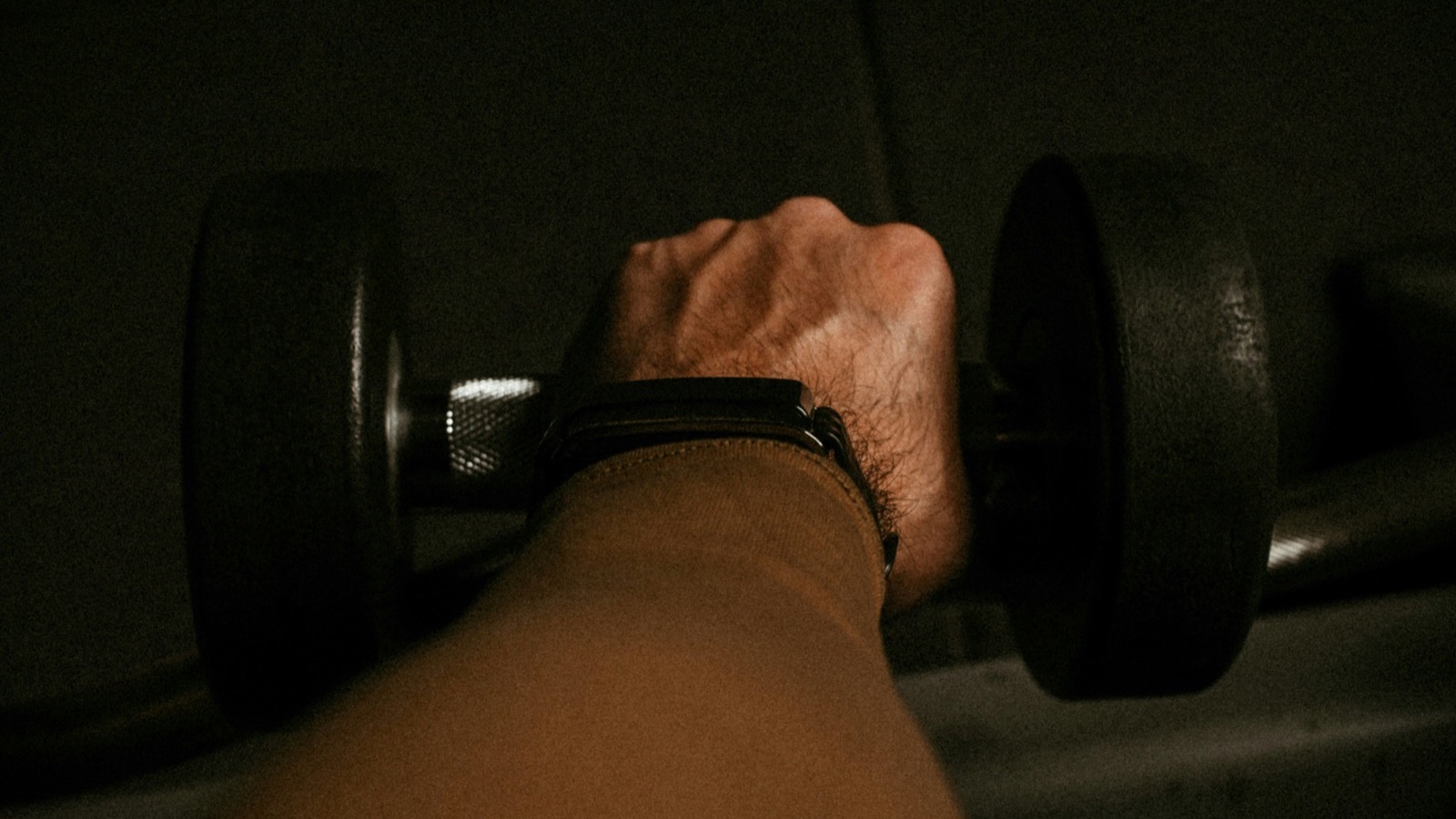
Your heart rate data during lifting is not useless, but it is not what you think. Here's why wrist sensors struggle with heavy sets, what the studies actually found, and how to get numbers you can train with.
That crawling, can't-keep-still feeling at bedtime has a name, a diagnosis, and a surprisingly strong link to iron. Here's what restless legs syndrome is, what your wearable can and cannot see, and what actually helps.
Sep 18, 2026
13 min read
Recovery gadgets are everywhere, but the research is more specific than the marketing. Here's what massage guns, foam rollers, and compression actually do to soreness, performance, and recovery — and how to test whether one works for you.
Snoring is not just noise. Objective sleep data links regular snoring to higher blood pressure even without sleep apnea. Here's when to take it seriously, what your wearable can and can't see, and what actually helps.
Sep 17, 2026
The 3 PM crash isn't a character flaw. Part of it is circadian biology, part of it is your sleep debt, and part of it is fixable this week. Here's how to tell a normal afternoon slump from something worth investigating.
Cadence is the most practical way to know whether your walk is actually doing anything. Here's the 100 steps per minute threshold, where it breaks down, how to measure it with the watch and phone you already have, and how to progress it.
Sep 16, 2026
Improving HRV takes weeks, not days. Here's what actually changes in the first 24 hours, two weeks, six weeks, and three months, plus the interventions with real evidence and how to measure your baseline without fooling yourself.
12 min read
Interval walking training alternates 3 minutes of fast walking with 3 minutes of easy walking. Here's what the research actually shows, how to set your pace without a lab, and how to track it on your watch.
Sep 15, 2026
Hiking is the easiest way into Zone 2 — and the easiest way to blow past it. Here's how to read your heart rate on climbs, descents, and long trails, plus a simple progression that builds a real aerobic base.
Pre-workout feels like it works because caffeine works. Here's what the research says about the stimulant dose, the extra ingredients, and exactly how pre-workout shows up in your overnight heart rate, HRV, and sleep data.
Sep 14, 2026
Fasted cardio reliably burns more fat during the session. Over weeks, the advantage mostly disappears. Here's what the research actually shows, and how to decide whether to eat before you run.
Your blood pressure is supposed to drop overnight. When sleep is short or broken, that dip gets smaller and your daytime numbers creep up. Here's what the research shows and how to track your own trend.
Sep 13, 2026
Cold air changes your heart rate, your pace, your breathing, and sometimes your watch's ability to read you at all. Here is what actually happens physiologically in cold weather running, why 5–10°C is the fastest marathon weather, and how to keep your training zones honest when the temperature drops.
A jump of 10 to 15 beats per minute when you stand is normal. A sustained jump of 30 or more is not. Here is what your body is actually doing in those first 10 seconds, how to test it at home, and when a spike is worth a doctor visit.
Sep 12, 2026
Low ferritin with normal hemoglobin is common in active people, and it often shows up in your HRV and resting heart rate first. Here's how iron deficiency without anemia works, how to test it properly, and what actually fixes it.
Bedtime procrastination is the habit of delaying sleep for no external reason, and it wrecks sleep duration, quality, and next-day recovery. Here's what the research says, how it differs from insomnia, and how to break the loop.
Sep 11, 2026
Foam rolling and stretching are the two most common recovery habits, but the research is more modest than the marketing. Here's what each one actually does to soreness, range of motion, and your HRV.
Iron deficiency raises your resting heart rate and flattens HRV long before hemoglobin drops. Here are the wearable signals, who should get a ferritin test, and how to fix it properly.
Sep 10, 2026
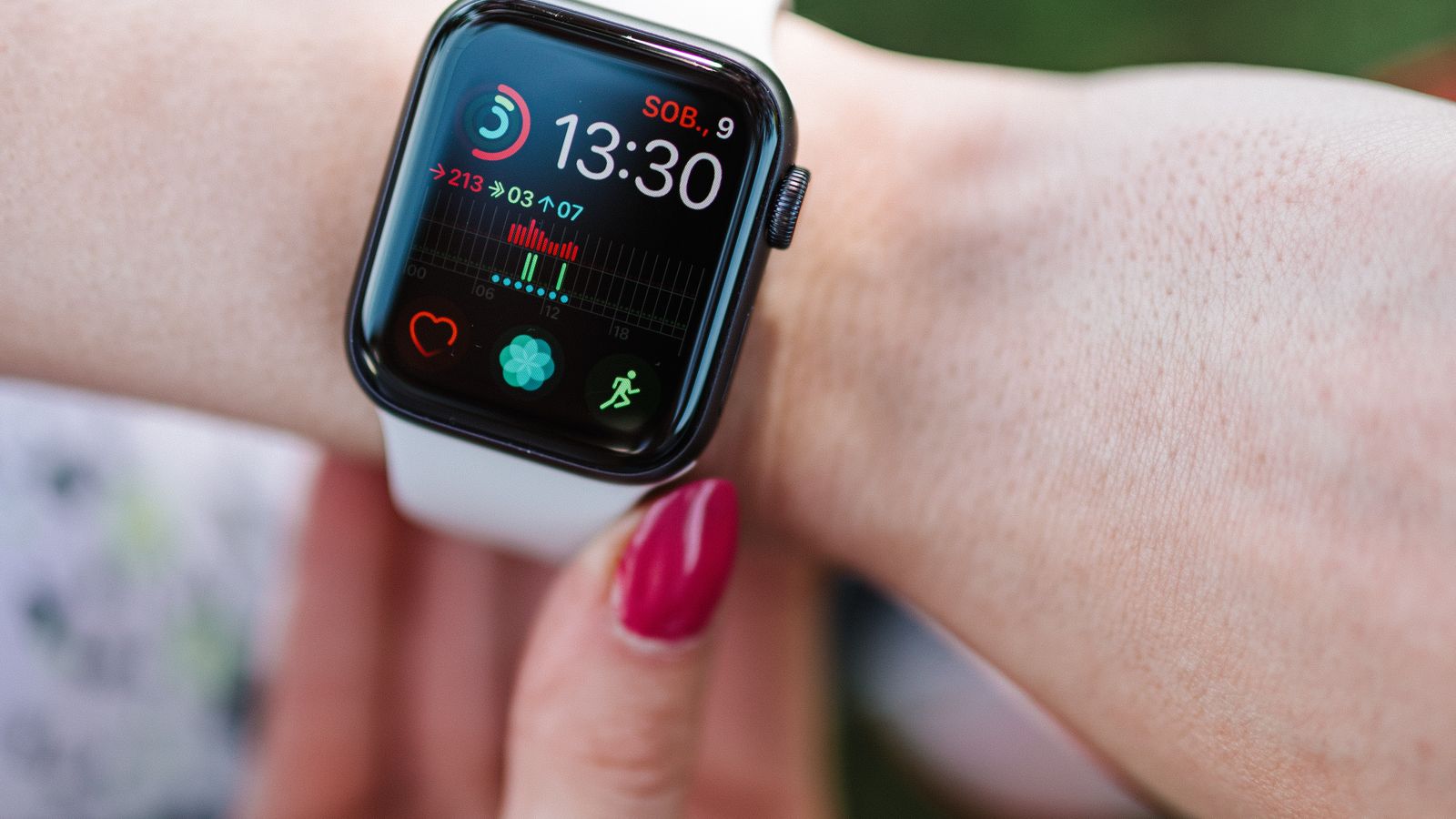
Your Apple Watch can alert you to high, low, and irregular heart rhythms. Here's what each notification actually means, how accurate the AFib detection is based on the Apple Heart Study, and what to do when one fires.
Vitamin D deficiency is linked to worse sleep quality, more inflammation, and slower recovery. Here's what the research actually shows, how to test your 25(OH)D level, and how to dose it properly.
Sep 09, 2026
Apple Watch has no dedicated stress score, but it measures every signal stress changes: HRV, resting heart rate, wrist temperature, and sleep. Here's how to read your watch for stress and spot the signs early.
Everyone says train in Zone 2 and skip Zone 3. But 'Zone 3' means different things in different zone systems, and the middle zone has a real job. Here's what the research says and how to use it without wrecking your easy days.
Sep 08, 2026
Tossing and turning in a hotel bed is not bad luck. It's the first-night effect: your brain literally keeps one eye open in unfamiliar surroundings. Here's the science and a practical plan for sleeping well anywhere.
The official answer is 150 minutes of moderate cardio a week. But the full story is more useful: what counts, whether more is better, and how to actually hit your weekly cardio dose with a wearable.
Sep 07, 2026
10 min read
Do women and men have different HRV and resting heart rate? Yes — but not in the way most 'normal range' charts suggest. Here's what the research shows and how to read your own numbers.
That foggy, slow feeling for the first hour after waking has a name: sleep inertia. Here's what causes it, why some mornings hit harder, and what science says actually helps.
Sep 06, 2026
Low HRV and anxiety often go together, and the link runs through your nervous system. Here is what the research says, what your watch can and cannot tell you, and the evidence-based habits that raise both your HRV and your calm.
You are exhausted, it is past midnight, and you are still scrolling. Revenge bedtime procrastination is not laziness, it is a reaction to a day that gave you no time for yourself. Here is what the research says and how to break the loop.
Sep 05, 2026
Cortisol is not your enemy. Here's what this hormone actually does, why the internet's cortisol panic is mostly wrong, and what your wearable can and can't tell you about it.
Static and dynamic stretching do different jobs. Here's what the research says about injury prevention, performance, and soreness, plus a simple before-and-after routine.
Aug 29, 2026
Does scrolling before bed actually hurt your sleep, or is it overblown? Here's what the research really says about blue light, melatonin, and screens — and a practical evening plan that works.
NEAT — non-exercise activity thermogenesis — is the biggest variable in how many calories you burn, and you're probably ignoring it. Here's what it is, what the science shows, and how to add more of it without 'exercising' more.
Aug 28, 2026
Fitbit's Daily Readiness Score is a 1–100 number that tells you whether to push or rest. Here's exactly how it's calculated, how to read it, and where it falls short.
Eight hours isn't a universal law. Here's what the official sleep guidelines say for every age group, how sleep cycles change the math, and how to find the exact number that's right for you.
Aug 27, 2026
9 min read
Your Apple Watch calorie numbers are estimates, not measurements — and the error can be bigger than you think. Here's what the research says, when to trust the number, and how to make it more accurate.
Aug 26, 2026
Your Apple Watch can now screen for sleep apnea while you sleep — using only its accelerometer. Here's how the feature works, which watches support it, how accurate it really is, and what to do if you get a notification.
Aug 25, 2026
Resting heart rate is one of the most useful numbers your watch tracks — and one of the most misunderstood. Here's the normal range by age, why athletes run lower, why women's hearts beat a little faster, and when a rising resting heart rate deserves attention.
Aug 24, 2026
The red, green, and blue rings on your Apple Watch look simple — but what exactly counts toward each one? Here's everything about the Move, Exercise, and Stand rings, how they're calculated, and how to set goals that fit your life.
Aug 23, 2026
The 10,000-step goal is everywhere — but it started as a 1960s marketing slogan, not a scientific prescription. Here's what the research actually says about how many steps you need, and how to use your watch's step count without obsessing over it.
That deep, achy soreness that shows up a day or two after a tough workout has a name: DOMS. Here's what actually causes it, how to tell it apart from an injury, and what science says actually helps (and what doesn't).
Aug 22, 2026
If your HRV suddenly looks low, your resting heart rate is creeping up, and your sleep score is falling apart — perimenopause might be the reason. Here's what the research says about how the menopause transition shows up in your wearable data, and how to read it.
You can eat in a deficit and train consistently and still not lose weight — if you're running on 5 hours of sleep. Here's what the research says about sleep deprivation, hunger hormones, cravings, and why fixing your sleep might be the missing weight loss lever.
Aug 21, 2026
The 'fat burning zone' on your treadmill and watch sounds scientific — but is it real? Here's what the research says about fat oxidation, total calorie burn, and the best heart rate for fat loss.
Your max heart rate is the number every training zone is built on — and the 220 minus age formula can be off by 20+ beats. Here's how to find your real max heart rate with a field test, no lab required.
Aug 19, 2026
Heart rate variability declines with age — but 'good' is more personal than any chart. Here are the real normal ranges by age, what the number means, and why your own baseline matters more than comparing yourself to anyone else.
Aug 17, 2026
Couch to 5K is the classic beginner running program — and pairing it with Apple Watch heart rate zones fixes the #1 beginner mistake: running too hard. Here's the full 9-week plan, watch setup, and what your data should look like.
Aug 16, 2026
A high resting heart rate is one of the most reliable signs your body is running hot. Here's the evidence-backed way to lower it — with sleep, Zone 2 training, alcohol changes, and realistic timelines.
Rucking — walking with a loaded backpack — is one of the simplest ways to hit Zone 2 without running. Here's how to start, how heavy to go, and how to track it on your Apple Watch.
Aug 15, 2026
Adults need about 20-25% of sleep in REM — roughly 90-120 minutes on an 8-hour night. Here's what normal looks like by age, why REM gets squeezed, and how to protect it.
Aug 14, 2026
Finished a workout that felt genuinely hard — and Apple says most of it was Zone 1? Here's why your Zone 1 time is so high, how Apple Watch calculates zones, and how to fix it if the zones don't match your effort.
The Zone 2 talk test rule sounds simple — 'you should be able to talk' — but how many words actually counts? Here's the research-backed answer, plus a step-by-step protocol to find your Zone 2 without a lactate meter.
Aug 13, 2026
HRV meaning explained in plain language: what heart rate variability is, why higher is usually better, how to read your numbers, and what actually moves them.
Aug 12, 2026
Zone 1 on your Apple Watch looks too wide, too high, or just... wrong? Here's how Apple actually calculates your heart rate zones, the quirks that make Zone 1 behave oddly, and how to fix it.
Aug 11, 2026
Where to find VO2 max on Apple Watch and iPhone, why the number only updates after outdoor walks, runs, or hikes, and what to do if your watch isn't giving you a reading at all.
Does your Apple Watch put Zone 1 at 120–140 bpm? Here's why Apple's automatic heart rate zones run high — the resting-heart-rate math behind it, plus how to set custom zones that actually match your effort.
Aug 10, 2026
7 min read
Jet lag isn't just tiredness — it's your internal clock arguing with the time zone. Here's the science-backed protocol for adapting faster, using light, sleep, and the data on your wrist.
6 min read
Power naps are one of the best-researched recovery tools we have — if you get the timing and length right. Here's the science of napping, from the NASA nap to sleep inertia.
Aug 09, 2026
8 min read
Planning a vacation or recovering from an injury? Here's the science of detraining — how quickly you actually lose VO2 max, strength, and endurance, and what you can do to keep most of your fitness.
Orthosomnia is the anxious, perfectionist pursuit of a perfect sleep score — and it can make your sleep worse. Here's how to spot it in yourself and use your wearable without letting it own you.
Aug 08, 2026
Taking a week off won't undo your fitness — but two months might. Here's the real detraining timeline, what your watch data shows, and the minimal training that preserves your gains.
Sleep debt builds quietly — one short night at a time — and it shows up in your resting heart rate, HRV, and recovery scores long before you feel it. Here's how to spot it and pay it back.
Aug 07, 2026
Blood sugar affects your energy, sleep, and recovery more than you think. Here's what wearing a continuous glucose monitor can teach you about your body — and what you can learn without one.
Smartwatches can't measure blood pressure the way you'd hope — yet. Here's how cuffless BP tracking actually works, which watches do it, and what your wearable data can really tell you about your heart health.
Aug 06, 2026
Your wearable tracks your breathing every night — here's what respiratory rate data actually means, what's normal, and why changes can signal illness, stress, or overtraining before you feel symptoms.
Your Apple Watch tracks wrist temperature every night — here's what the data reveals about circadian health, illness detection, recovery, and why it's more useful than you think.
Aug 05, 2026
Learn how Apple Watch heart rate zones work, how to set them up properly, and how to use zone-based training to build fitness without overtaxing your body.
Discover the Norwegian 4×4 interval protocol — the research-backed HIIT method that can improve your VO₂ max by 7–13% in just 8 weeks, and how to do it with your Apple Watch.
Aug 04, 2026
New research shows that going to bed and waking up at the same time every day is a stronger predictor of health and longevity than how many hours you sleep. Here's what the science says — and how to fix your schedule.
VO2 max isn't just for elite athletes — it's the most powerful predictor of all-cause mortality we have. Here's what it means, how your Apple Watch estimates it, and how to actually improve it.
Aug 03, 2026
Not all workouts affect your nervous system the same way. Here's how cardio, strength training, HIIT, and yoga each impact your heart rate variability — and how to use that data to plan smarter training weeks.
Your resting heart rate is more than just a number — it's a real-time window into your fitness, recovery, and stress levels. Here's how to interpret daily changes and long-term trends.
Aug 02, 2026
Getting 8 hours is great — but getting them at the same time every night might matter even more. New research shows sleep consistency beats total duration for metabolic health, mood, and longevity.
Zone 2 training is the single most underrated tool for building endurance, improving metabolic health, and extending your healthspan. Here's why slow and steady wins the longevity race.
Aug 01, 2026
Your Apple Watch or Garmin tracks more than steps — it's quietly measuring biomarkers linked to how long and how well you'll live. Here's what they mean and how to improve them.
Ever wonder why your friend bounces back from a hard workout in 24 hours while you need 3 days? Recovery speed isn't random — here's what the science says and how to improve yours.
Jul 31, 2026
Your resting heart rate is one of the most underrated health metrics tracked by your wearable. Research shows that changes in RHR over time predict mortality risk — independent of other risk factors. Here's what the data means and what your watch is telling you.
VO2 max isn't just for athletes. Research shows it's the single strongest predictor of all-cause mortality — more than cholesterol, blood pressure, or smoking status. Here's what the science says and how your Apple Watch can track it.
Jul 30, 2026
Your Apple Watch measures heart rate recovery after every workout — but most people never check it. Here's what your HRR number reveals about your heart health and how to improve it.
Running gets the glory, but walking might be the single best exercise for long-term health. Here's what the science says about daily steps, walking pace, and how to track your progress with a wearable.
Jul 29, 2026
Deep sleep is when your body repairs itself and your brain consolidates memories. If you're waking up tired despite getting enough hours, here's what actually increases slow-wave sleep — backed by research.
Magnesium supplements are everywhere — but do they really improve sleep quality and recovery? Here's what the research shows, which form works best, and how to track the difference with your wearable.
Jul 28, 2026
Eating close to bedtime doesn't just affect how you feel in the morning — it shows up in your HRV, resting heart rate, and deep sleep. Here's what the data says about timing your last meal for better recovery.
Your Apple Watch or Garmin estimates your VO2 max — but what does that number actually mean? Here's how VO2 max changes with age, what a 'good' score looks like at every decade, and how to raise it.
Jul 27, 2026
Just 10 minutes of early morning light can reset your circadian rhythm, boost HRV, and improve sleep quality. Here's the science behind why it works and how to make it a habit.
Your Apple Watch, Garmin, or Whoop tracks subtle signals that you need a break before you feel it. Here are the six wearable metrics that scream 'rest day' — and what to do about them.
Jul 26, 2026
5 min read
Training hard is only half the equation. Here's when and how to take a planned deload week — and how your wearable can tell you it's time.
4 min read
Sleeping in on weekends might feel restorative, but it creates a mismatch between your body clock and your social schedule — with real consequences for your health and recovery.
Jul 25, 2026
Ashwagandha is one of the most popular adaptogens for stress, but can it actually move your HRV numbers? A look at the research — and what your wearable can tell you.
A sedentary day doesn't just drain your energy — it shows up in your resting heart rate and recovery metrics. Here's what your wearable is trying to tell you about sitting too much.
Jul 24, 2026
Your wearable says you're 92% recovered but you feel exhausted. Or it says you're in the red but you feel great. Here's why recovery scores and subjective feelings often clash — and when to trust which.
Seeing your resting heart rate go up after a tough workout can be alarming. But elevated RHR is often a normal sign of adaptation — not a red flag. Here's how to tell the difference.
Jul 23, 2026
You've heard you need 8 hours of sleep. But research increasingly shows that going to bed and waking up at the same time every day may matter more for your recovery and long-term health than exactly how many hours you clock.
Your Apple Watch or Garmin tracks training load to tell you when you're ready to push and when you need rest. Here's how the acute-to-chronic workload ratio actually works and what to do when your watch says you're in the red.
Jul 22, 2026
Your Garmin or Apple Watch might say you're 'younger' or 'older' than your actual age. Here's what fitness age actually means, how it's calculated, and how to improve it.
Grip strength is one of the strongest predictors of all-cause mortality — more powerful than blood pressure in some studies. Here's what the research says and how to measure yours.
Jul 21, 2026
A higher HRV means better recovery, resilience, and longevity. Here are seven evidence-based ways to raise your heart rate variability — no expensive gear required.
Getting eight hours isn't enough if your sleep schedule is all over the place. Here's why a regular bedtime and wake time matter more for recovery than total sleep duration.
Jul 16, 2026
Wearables like WHOOP and Apple Watch now estimate biological age. Here is how those calculations work, what they can and cannot tell you, and which metrics actually matter for longevity.
Learn to read the early warning signs of overtraining in your Apple Watch or Garmin data -- elevated resting heart rate, declining HRV, and poor sleep -- before they tank your progress.
Jul 15, 2026
Your Apple Watch tracks how fast your heart rate drops after every workout — but most people never check it. Here's what Cardio Recovery actually tells you, what's a good number, and how to improve it.
Got a 'low cardio fitness' notification from your Apple Watch? Here's what VO2 max actually measures, why your Apple Watch estimate might be off, and the proven training strategies to raise it.
That 3 PM coffee might be sabotaging your sleep more than you think. Here's how caffeine actually affects your HRV, resting heart rate, and deep sleep — and what your Apple Watch or Garmin can tell you about your personal cutoff time.
Regular sauna use is linked to a 24% lower all-cause mortality risk, better cardiovascular health, and faster recovery. Here's how heat therapy affects your HRV and resting heart rate — and what your wearable can tell you about your sauna response.
Jul 14, 2026
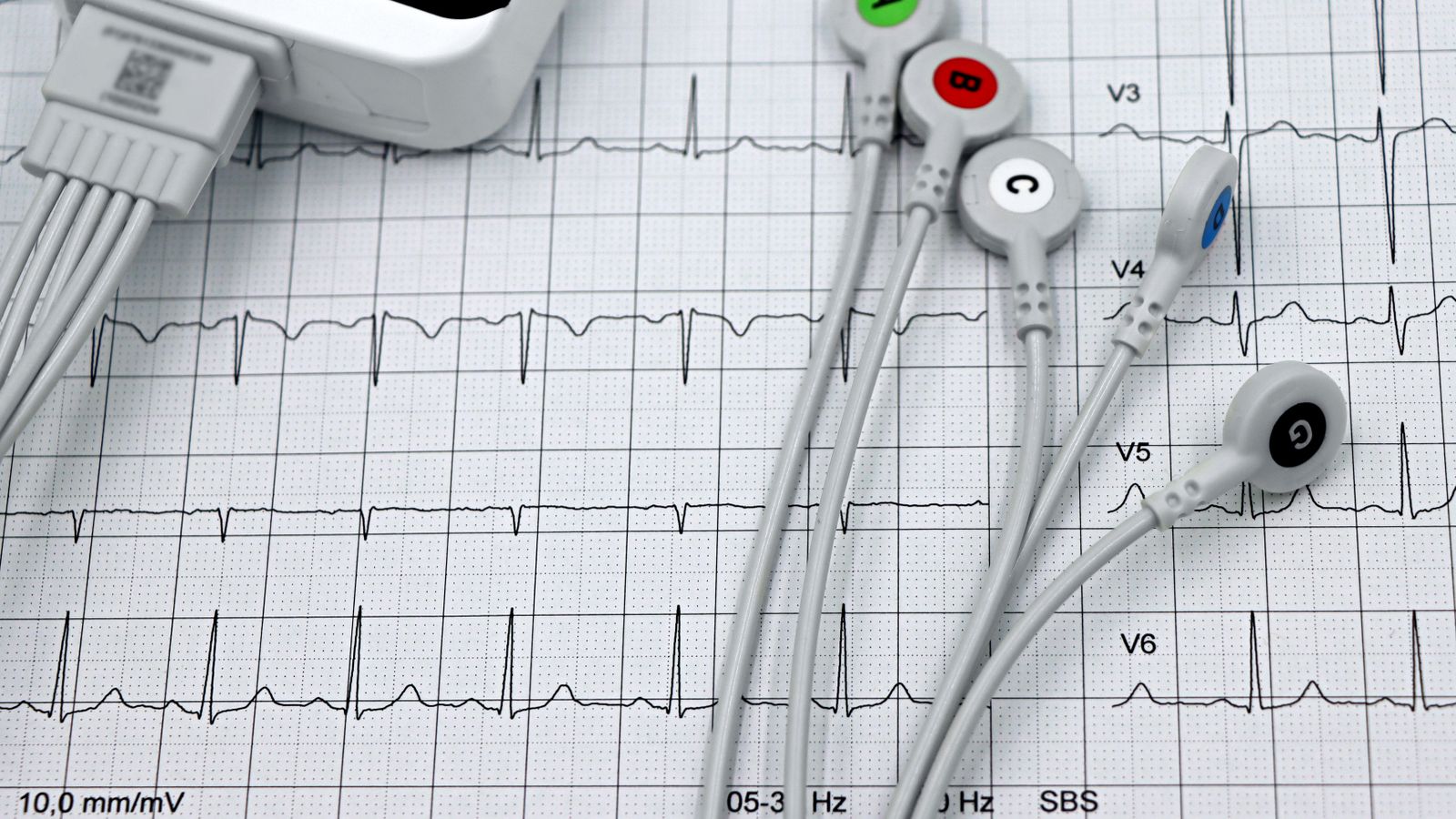
Your Apple Watch can take a medical-grade ECG in 30 seconds — but most people don't know what the results actually mean. Here's how the ECG app works, what sinus rhythm, AFib, and inconclusive results really tell you, and when to talk to a doctor.
The Vitals app in watchOS 11 transforms your overnight health data into a simple dashboard. Learn what each metric actually means, how the baseline works, what an outlier alert really signals, and a practical morning routine to act on your data.
Jul 13, 2026
Your Apple Watch tracks heart rate variability 24/7 but the readings can swing wildly between morning and night. Here's what HRV actually means, why it drops, how to interpret morning vs night readings, and what to do with the data.
Your Apple Watch collects resting heart rate, HRV, sleep, wrist temperature, and respiratory rate every night — but Apple doesn't tell you how to interpret them together. Here's a practical morning checklist to know if you're recovered and ready to train.
Jul 12, 2026
Your Apple Watch breaks your sleep into awake, REM, core, and deep sleep. Here's what each stage actually does, how accurate the tracking really is, and the common mistakes people make when interpreting their sleep data.
Jul 11, 2026
Your Apple Watch measures blood oxygen levels throughout the day and night. Here's what those numbers actually mean, what's normal (and what isn't), and when a low reading deserves your attention.
Your Apple Watch tracks your heart rate all night. Here's what your sleeping heart rate says about your recovery, fitness, and health — plus what causes those mysterious spikes and dips.
Jul 10, 2026
Your Apple Watch or WHOOP doesn't lie — alcohol tanks your HRV, spikes your resting heart rate, and destroys sleep quality. Here's exactly what happens and how long recovery takes.
Your Apple Watch tracks both step count and active energy (calories). Here's why they tell different stories about your health — and which one you should actually pay attention to.
Both Apple Watch and Garmin track recovery, but they do it very differently. Here's how each platform measures readiness, what they miss, and which one fits your training style.
Your Apple Watch calculates your walking heart rate average every day. Here's what it reveals about your cardiovascular fitness, what's normal, and how to improve it.
Cold plunges are everywhere right now. Here's what the data says about ice baths, HRV, and recovery — including when to plunge, how cold, and how long.
Your wearable measures HRV while you sleep, but traditional methods use a morning reading. Here's why the two approaches give different results — and which one you should trust for recovery decisions.
Jul 09, 2026
Your Apple Watch measures your blood oxygen (SpO2) throughout the day and night. Learn what the numbers actually mean, what can throw off readings, and when a low reading deserves attention.
Your Apple Watch tracks your breaths per minute every night. Learn what your respiratory rate trends actually mean — from illness detection to fitness gains — and how to use this overlooked metric.
Jul 08, 2026
Stop obsessing over today's recovery score. The real insights live in your long-term trends. Here's how to zoom out and actually use your wearable data.
Your watch says you're ready to crush it, but your legs feel like concrete. Here's how to balance wearable data with body intuition — and when each one should win.
Jul 06, 2026
VO2 max is one of the best predictors of longevity and cardiovascular fitness. Here's how to use your Apple Watch or Garmin to track and actually improve it.
Your Apple Watch or Garmin can detect overtraining before you feel it. Learn the key signals — from HRV dips to resting heart rate spikes — and how to recover without losing fitness.
Jul 05, 2026
Training Load is one of the most powerful — and misunderstood — features on your Apple Watch. Here's how it works, how to read the trend, and how to use it alongside your recovery data to train smarter.
Your Apple Watch tracks your wrist temperature every night while you sleep. Here's what those temperature trends actually mean — from illness detection to cycle tracking to sleep quality insights.
Jul 04, 2026
Your Garmin or Apple Watch tracks blood oxygen while you sleep — but what do those SpO2 numbers actually mean for your health, recovery, and altitude training?
Your Apple Watch or Garmin tracks your sleep every night — but what happens when those numbers dip? Here's what science says about sleep debt and whether weekend catch-up actually works.
Jul 03, 2026
Even mild dehydration can tank your HRV, disrupt deep sleep, and raise your resting heart rate. Here's what the science says — and how to use your wearable to stay on top of it.
Learn how mental and physical stress show up in your heart rate variability data, and discover practical strategies to improve your recovery score.
Jul 01, 2026
That late dinner or midnight snack might be sabotaging your sleep quality, HRV, and next-day recovery more than you think. Here's what the science says and how to time your meals for better rest.
How accurate is your Apple Watch, Garmin, or Oura Ring at tracking sleep? We dig into the actual science — polysomnography studies, accuracy percentages, and what you should actually pay attention to.
Jun 30, 2026
Breathing through your nose during sleep isn't just a wellness trend — it can measurably improve your HRV, lower your resting heart rate, and deepen your recovery. Here's what the science says and how to start.
Non-Sleep Deep Rest (NSDR) is a science-backed practice that can boost your HRV, lower stress, and improve recovery — all in 10 minutes. Here's how to get started and what your wearable data will show.
Jun 29, 2026
Deep sleep is when your body repairs itself, your brain consolidates memories, and your recovery peaks. Learn how wearables track it and 8 practical ways to get more of it tonight.
Jun 28, 2026
Getting natural light within 30 minutes of waking is one of the most powerful things you can do for sleep, mood, and recovery. Here's the science — and how your wearable confirms it's working.
Zone 2 training is the slow, steady cardio that builds mitochondrial health and may add years to your life. Here's how to find your zone and track it with your Apple Watch or Garmin.
Jun 27, 2026
Caffeine has a surprisingly long half-life, and your afternoon latte could be quietly sabotaging your deep sleep, HRV, and recovery scores — even if you fall asleep just fine.
How regular sauna use and deliberate heat exposure can improve your HRV, speed up recovery, and show up in your wearable's readiness scores — plus protocols that actually work.
Jun 26, 2026
You don't need an hour at the gym to get fitter. Short bursts of activity — 'exercise snacks' — spread throughout the day can improve cardiovascular health, blood sugar control, and recovery. Here's the science and how to start.
How fast your heart rate drops after exercise is one of the most powerful indicators of cardiovascular fitness and overall health. Here's what heart rate recovery is, what's normal, and how to improve it using your Apple Watch or Garmin.
Jun 25, 2026
Even one or two drinks can tank your HRV and spike your resting heart rate overnight. Here's what your wearable is trying to tell you — and how to make smarter choices without giving up your social life.
What you do in the 60-90 minutes before bed directly shapes your HRV, resting heart rate, and sleep quality. Here's a practical, research-grounded evening routine that works with your wearable — not against it.
Jun 24, 2026
You are already tracking your sleep, but are you acting on the data? Practical, science-backed ways to improve deep sleep, lower resting heart rate, and wake up genuinely recovered.
Heart rate variability is the missing conversation in most training plans. Learn how your Apple Watch or Garmin can tell you exactly when to go hard, when to back off, and why that changes everything.
Jun 23, 2026
Learn how heart rate variability (HRV) can tell you when to push hard and when to recover — and how to use your Apple Watch or Garmin to train smarter, not harder.
Your wearable tracks your sleep, but do you know what the data actually means? Here's how sleep quality affects recovery, performance, and your readiness to train.
Jun 21, 2026
Cold plunges, ice baths, cold showers — the trend is everywhere. But what does cold exposure actually do for recovery, HRV, and sleep? Here's what the science says and what your wearable data will show.
Jun 20, 2026
Everyone obsesses over VO2 max and zone 2 training. But the simplest, most accessible recovery tool — walking — is quietly improving your HRV, resting heart rate, and sleep, one step at a time.
For years we were told to avoid evening workouts. But recent research — and your own wearable data — tells a more nuanced story about exercise timing and sleep quality.
Jun 19, 2026
Morning, afternoon, or evening — when should you work out? Here's what circadian science says about timing your training for performance, recovery, and consistency.
Your Garmin watch has a built-in energy gauge. Here's how Body Battery works, what drains and recharges it, and how to use it to time your hardest sessions.
Jun 18, 2026
Your Apple Watch or Garmin gives you an HRV number every day — but can you actually trust it? Here's what the research says about wrist-based HRV accuracy, what throws it off, and how to get a reliable signal for recovery tracking.
Apple Watch, Garmin, Oura, and WHOOP all give you a sleep score every morning. But what do those numbers actually mean, how are they calculated, and should you trust them? A practical guide to making sense of your sleep data.
Jun 17, 2026
Discover resonance frequency breathing — a science-backed breathwork technique that boosts heart rate variability, lowers stress, and improves recovery. Your wearable can track the results.
Learn what Zone 2 training is, how to find your Zone 2 heart rate, and why spending more time training slow can make you faster, healthier, and more resilient.
Jun 16, 2026
Rest days aren't about doing nothing. Learn what active recovery actually is, how to use your wearable to guide the right intensity, and why the right rest-day movement speeds up real recovery.
Your sleep type isn't a preference — it's wired into your biology. Learn what chronotypes are, how they affect your wearable data, and why working with your natural rhythm gives you better recovery scores.
Jun 15, 2026
Your resting heart rate is one of the simplest and most reliable recovery signals you can track. Here's how to read it, what a high or low RHR means, and how to use it alongside HRV.
Apr 27, 2026
If your Apple Watch HRV is blank or rarely updates, it is usually background permissions, an irregular measurement context, or how you wear the watch. Use this checklist to get consistent HRV readings you can actually use.
If your Apple Watch sleep is blank, cut off, or missing chunks, it is usually battery, settings, or how the watch is worn. Use this troubleshooting checklist to fix gaps and get clean sleep trends.
Apr 26, 2026
Zone 2 cycling builds endurance with low stress, but it is easy to go too hard. Learn how to set intensity using heart rate, RPE, and breathing, plus a simple 3-ride weekly plan.
Treadmill Zone 2 feels weird because heart rate lags and pace changes fast. Learn a simple setup (incline, warmup, talk test), how to adjust pace, and a 3-step plan you can repeat.
Apr 25, 2026
If your Apple Watch sleep looks wrong, it is usually settings and habits, not the sensors. Use this checklist to improve sleep tracking, reduce gaps, and get more reliable trends.
If your HRV is low but you feel okay, do not panic. Learn the 7 most common causes, how to use baselines, and a simple decision tree for training vs rest.
Apr 23, 2026
HRV and resting heart rate often move together, but they do not mean the same thing. Learn what each metric captures, why they disagree, and a practical decision framework for training and recovery.
Should you do Zone 2 or HIIT to improve VO2 max? Learn what each type of training improves, a simple weekly split, and how to use recovery signals to avoid stacking too much intensity.
Apr 22, 2026
You can track recovery on Apple Watch without a new wearable. Learn a simple daily workflow using Apple Health HRV (SDNN), resting heart rate, sleep duration, and trends to adjust training.
Sleep scores are helpful, but they are not magic. Learn what most sleep scores measure (duration, consistency, stages, HR, HRV), why different devices disagree, and how to use a score to improve recovery.
Mar 20, 2026
Sleeping 7–8 hours is not a free pass if your schedule is chaotic. Here is what recent device-based research suggests about irregular sleep timing, cardiovascular risk, and how to stabilize your week.
If your HRV drops every Monday, it might not be training. Social jetlag is the hidden schedule shift that makes you feel like you traveled without leaving home.
Mar 19, 2026
Wondering how long alcohol lowers HRV and raises resting heart rate? Here is what data from wearables typically shows, why recovery can take multiple nights, and how to reduce the damage.
Slept 8 hours and still woke up with low HRV? Here are the most common reasons HRV and sleep do not match, plus a practical checklist to figure out what changed.
Mar 18, 2026
WHOOP’s recovery score is mostly HRV, resting heart rate, and sleep performance. Here’s what it means, what it misses, and a simple Apple Watch routine to recreate the same decision-making without wearing another device.
WHOOP strain is a training load score built from time spent at higher heart rates. Here’s what it measures, how to use it without overtraining, and a simple Apple Watch method to approximate strain using heart rate zones and training load.
Mar 17, 2026
Apple Watch HRV is noisy day to day. Learn how to build a personal baseline in Apple Health, spot meaningful trend changes, and use HRV with resting heart rate and sleep to guide training.
Zone 2 is simple but easy to mess up. Learn how to set heart rate zones, stay truly easy, and use Apple Watch data (heart rate, pace drift, VO2max) to build aerobic fitness.
Mar 16, 2026
If you sleep 7 to 9 hours but Apple Watch still flags a low sleep score, the issue is usually quality, timing, or fragmentation. Learn the most common causes, what to check in Apple Health, and an experiment-based plan to fix it.
Waking up multiple times per night can tank recovery even if you still get 7 to 8 hours in bed. Learn what sleep fragmentation is, the most common causes, how Apple Watch detects it, and a step-by-step plan to reduce awakenings.
Mar 15, 2026
HRV is noisy, but it is not useless. Here is a simple, science-backed playbook to raise your baseline HRV over weeks and interpret day-to-day drops without panic.
How much Zone 2 do you need per week to improve endurance and recovery? Here is a simple, realistic framework for frequency, session length, and progression without burning out.
Mar 14, 2026
Magnesium glycinate is marketed for better sleep and less stress. Here is what the evidence says, how to pick a dose and timing, and the most common mistakes (including GI issues and kidney safety).
Melatonin is a hormone, not a sedative. Here is how to use it safely: low-dose vs high-dose, the best timing for jet lag and sleep onset, and the mistakes that make it backfire.
Mar 13, 2026
Apple Watch estimates VO2 max using heart rate and pace from outdoor walks and runs. Learn when the number is useful, when it is wrong, and how to improve the signal so you can track fitness trends with confidence.
Should you measure HRV first thing in the morning or use your wearable's nighttime average? Learn the pros, cons, and a practical approach to get consistent HRV trends you can act on.
Mar 12, 2026
Garmin HRV Status can be confusing: balanced, unbalanced, low, or poor. Here is what it measures, what can throw it off, and a simple way to turn it into better training decisions.
Oura’s Readiness Score can be motivating or misleading. Learn what it is based on, what can skew it, and a practical way to use it for training decisions.
Mar 11, 2026
Daily HRV is noisy. HRV coefficient of variation (HRV-CV) looks at stability across nights and can better reflect stress, behavior, and recovery consistency. Here is how it works and how to use it.
Wearables cannot diagnose sleep apnea. But patterns like fragmented sleep, rising respiratory rate, and HRV disruption can be useful signals to investigate. Here is what to watch for and what to do next.
Mar 10, 2026
Not seeing HRV in Apple Health? Here are the most common reasons Apple Watch HRV readings are missing, plus practical fixes to get consistent trend data for recovery and training.
Zone 2 and HIIT are not enemies. Learn what each training style builds, why too much intensity can stall progress, and a simple weekly template that works with Apple Watch and busy schedules.
Mar 09, 2026
Apple Watch HRV is noisy on its own. Combine HRV, resting heart rate, and sleep quality to decide whether to train hard, go easy, or rest.
If your HRV is low and your resting heart rate is high, your training might not be the problem. Meal timing and digestion can quietly wreck sleep and recovery.
Mar 08, 2026
The Apple Watch Vitals app turns overnight metrics into a simple dashboard. Learn what it measures, how the baseline works, what an alert really means, and a practical daily routine using Apple Health and trends.
Apple Watch wrist temperature is a baseline-based metric measured during sleep. Learn what it is (and is not), why it changes, what a meaningful spike looks like, and how to use it for recovery and early illness signals.
Mar 07, 2026
Apple Watch Cardio Recovery is your heart rate recovery after workouts. Learn how Apple measures it, what counts as good, what makes it inaccurate, and how to improve it with training and sleep.
Should you delay caffeine 60 to 90 minutes after waking? Learn the logic, what the evidence suggests, who benefits most, and a simple 7-day experiment using sleep and HRV trends.
Mar 06, 2026
Low HRV does not always mean stop. Use this quick checklist to decide: push, maintain, or recover, using trends plus sleep, resting heart rate, and symptoms.
Shift work and late meals can push your body out of rhythm. Here is what research suggests about daytime vs nighttime eating, why HRV often drops, and a practical plan you can run with Apple Watch data.
Mar 05, 2026
A small carb snack can help some people fall asleep, but big late meals can lower HRV. Here is how to test pre-bed carbs using Apple Watch sleep, HRV, and resting heart rate trends.
Intermittent fasting can improve some health markers, but it can also quietly add stress. Use HRV, resting heart rate, and sleep data from Apple Watch to run a clean 14 day experiment.
Mar 04, 2026
Apple Watch sleep stages can be useful, but only if you treat them as estimates. Learn what sleep stages mean, what Apple Watch does well, common sources of error, and a practical way to use trends in Apple Health.
A good nap can improve alertness and perceived recovery, but a bad nap can steal your night sleep. Learn the best nap length, the best time of day, how to nap when you train, and what to track in Apple Health.
Mar 03, 2026
At altitude your resting heart rate often rises, HRV often falls, and sleep can feel worse. Here is what is normal, what is not, and how to adjust training for the first week.
Heat is real load. It raises heart rate, lowers HRV, and can make easy runs look hard. Here is how to interpret your trends and train smarter in hot weather.
Mar 02, 2026
If your HRV drops and your resting heart rate rises after a normal training day, meal timing is often the missing variable. Here is a practical 7 day experiment.
Zone 2 builds your aerobic base, but most people accidentally turn it into a moderate grind. Use the talk test, watch for drift, and learn what decoupling means.
Mar 01, 2026
Apple Watch heart rate zones are often wrong out of the box. Learn how to set zones using your real resting and max heart rate, validate Zone 2 with simple field checks, and avoid the most common mistakes.
A low HRV day can mean fatigue, illness, poor sleep, or just noise. Use this simple checklist to decide whether to train, adjust intensity, or rest. Works with Apple Watch and Apple Health trends.
Feb 28, 2026
A practical way to use HRV and resting heart rate trends as early warning signs of illness. Learn what patterns matter, what is just noise, and how to adjust training.
Taper weeks can make your HRV and resting heart rate look weird. Here is what is normal, what is a red flag, and a simple taper decision rule using Apple Health.
Feb 27, 2026
Heart rate drift is a simple way to sanity check your aerobic base. Learn what cardiac drift means, what causes it, and how to use it to dial in Zone 2 with Apple Watch and Apple Health.
Feb 26, 2026
A deload is not weakness. It is how you keep making progress. Learn the clearest signs you need one, how to structure it, and how to use HRV and resting heart rate without overreacting.
Heavy lifting is a stressor. Learn why HRV often drops after strength training, how to tell normal fatigue from overreaching, and the recovery levers that actually move the needle.
Feb 25, 2026
Apple Watch cardio fitness (VO2 max) is an estimate, not a lab test. Learn what makes it look wrong, how to get more reliable measurements, and how to use the trend for training and health.
Use Apple Watch and Apple Health to build marathon fitness without burning out. A simple framework for weekly volume, long runs, intensity, and recovery using HRV, resting heart rate, sleep, and heart rate zones.
Feb 24, 2026
A practical timeline for recovering after a half marathon, with simple HRV and resting heart rate rules to decide when to run easy, add workouts, and return to normal training.
A practical marathon taper plan using HRV, resting heart rate, sleep, and soreness to adjust volume without panicking. Includes a simple 14-day checklist and Apple Watch tips.
Feb 23, 2026
Bedroom temperature affects core body temperature, sleep depth, and recovery. Learn why overheating can lower HRV, how cooling helps (including in hot flashes), and a practical temperature setup for better sleep.
Sleep deprivation lowers HRV fast by shifting your nervous system toward fight-or-flight. Learn what changes in RMSSD and resting heart rate mean, how long it can take to bounce back, and a simple 7-day recovery playbook.
Feb 22, 2026
If your HRV is trending down and your sleep feels lighter, your caffeine timing may be the easiest lever. Here is how to find your personal cutoff.
If your HRV is low and your resting heart rate is up, check your last big meal. Here is a simple experiment to find the best dinner timing for you.
Feb 21, 2026
Wondering how accurate Apple Watch heart rate is during running, cycling, and lifting? Here is what affects accuracy, common failure modes like cadence lock, and a simple checklist to get cleaner data.
Apple Watch heart rate zones can help you avoid training too hard on easy days and too easy on hard days. Here is how zones work, how to set them manually, and a simple weekly template.
Feb 20, 2026
Apple Health Trends can surface meaningful changes in resting heart rate, sleep, workouts, and more. Learn how Trends are calculated, which metrics matter most for recovery, and how to turn Trends into a simple weekly action plan.
Apple Watch can be a strong sleep tracker, but the details can mislead. Learn what metrics matter, what the watch is likely guessing, and 7 practical settings and habits to improve both your sleep and your sleep data.
Feb 19, 2026
Active calories are movement. Total calories are movement plus the calories you burn just staying alive. Here is how to use both numbers for weight loss, performance, and better recovery without getting misled.
Apple Watch only estimates VO2 max during specific outdoor workouts with good GPS and steady effort. Learn which workout types qualify, why your number might be stuck, and how to train to improve cardio fitness without guessing.
Feb 18, 2026
Heart rate recovery (HRR) is one of the simplest fitness signals you can get from Apple Watch and cardio machines. Learn what good HRR looks like, what affects it, how to measure it consistently, and what to do if yours is declining.
RPE (rate of perceived exertion) is the missing skill that makes your Apple Watch data actually useful. Learn the simple 1 to 10 scale, how it maps to zones, when to ignore heart rate, and how to combine RPE with HRV and resting heart rate for smarter training.
Feb 17, 2026
When HRV drops and resting heart rate rises, your body is under extra stress. Learn the common causes (illness, under-recovery, alcohol, travel, dehydration), how to interpret the pattern using trends, and how to adjust training without losing momentum.
Your sleeping respiratory rate is a surprisingly stable signal. Learn what influences it (illness, altitude, alcohol, sleep position), how to interpret changes using trends, and how it fits into recovery alongside HRV and resting heart rate in Apple Health.
Feb 16, 2026
Lactate threshold is a powerful performance marker that you can estimate with workouts and wearable data. Learn what it is, why it matters, common mistakes, and a simple 6 week plan to improve it.
Feeling flat, irritable, or slower despite training? Learn the difference between overtraining and simple underrecovery, what HRV and resting heart rate can (and cannot) tell you, and a practical 7 day reset plan.
Feb 15, 2026
A new wave of sleep tech focuses on temperature. Here is how hot flashes and overheating affect deep sleep and HRV, what cooling can and cannot fix, and what metrics to watch.
Wearables estimate VO2 max from pace and heart rate, but the number can drift for reasons unrelated to fitness. Learn what changes matter, what can skew the estimate, and how to track aerobic progress reliably.
Feb 13, 2026
Apple Watch HRV can be useful, but only if you measure it consistently. Learn when to measure, what can skew it, and how to use HRV trends to train smarter.
One late night is not a disaster, but repeated short sleep adds up. Learn how sleep debt affects HRV and training, how long recovery really takes, and a simple catch-up plan.
Feb 11, 2026
HRV is useful, but it is easy to misread. Here are the most common myths and a simple framework that keeps HRV practical.
Readiness scores can be useful, but only if you understand the inputs and the traps. Here is a practical way to make them work.
Feb 10, 2026
Apple Watch Training Load can help you avoid stacking too many hard days, but only if you treat it as a trend signal. Learn what it measures, what it misses, and a simple weekly playbook using sleep, HRV, and perceived effort.
HIIT and sprint interval training can both raise VO2max, but they feel very different and have different recovery costs. Learn the tradeoffs, who should choose which, and a simple 4-week plan you can repeat.
Feb 09, 2026
Apple Watch estimates your cardio fitness (VO2 max) using heart rate and pace during outdoor workouts. Learn how the estimate works, why it can look wrong, how to get better measurements, and how to improve VO2 max with a simple training plan.
Feb 08, 2026
HRV is useful when you treat it as a trend, not a grade. Here is how to read Apple Watch HRV, what affects it, and how to adjust training.
Feb 07, 2026
A one-day HRV dip is common. Learn how to build an HRV baseline, spot meaningful deviations, and combine HRV with sleep and resting heart rate so you do not overreact to daily noise.
Sleep duration matters, but sleep regularity is the quiet multiplier. Learn why consistent sleep and wake times improve recovery signals like HRV and resting heart rate, and get a practical plan to stabilize your schedule.
Feb 06, 2026
Cadence is one of the most useful running watch metrics for injury prevention and efficiency. Here is how to interpret it, improve it safely, and avoid the 180 spm trap.
Most runners train too hard too often. Here is a simple way to use intensity distribution, heart rate zones, and Apple Watch or Strava data to keep your easy days easy and your hard days effective.
Feb 05, 2026
Use HRV and resting heart rate trends from Apple Watch and other wearables to choose push, maintain, or recover without overreacting to one bad night.
How to set heart rate zones on Apple Watch, stay in Zone 2 without ego, and use Zone 2 to build endurance, improve recovery, and avoid burnout.
Jan 29, 2026
Consistency is a design problem. Here is a simple system that makes good days more frequent - and bad days less costly.
HRV (heart rate variability) is the variation in time between heartbeats. Learn what higher vs lower HRV means, what a normal range looks like, and how to use HRV for recovery and training decisions.
A recovery score estimates how ready your body is for stress today. Learn what affects recovery (sleep, HRV, resting heart rate, temperature), how to interpret high vs low scores, and what to do next.
Looking for a WHOOP alternative? Here’s how to replicate recovery and sleep insights using the watch you already wear, what features matter, and what to look for in a true alternative.
Jan 28, 2026
Longevity scores can be motivating - or misleading. Use them as a direction, not a verdict.
Jan 27, 2026
VO₂max is trainable. Here is the minimum effective dose and how to recover so you can repeat it weekly.
Jan 26, 2026
Deep vs REM is not a competition. Learn what to watch and what actions reliably move the needle.
Jan 25, 2026
Heat is a stressor. Dosed well, it helps. Dosed badly, it just adds fatigue. Here is the sweet spot.
Jan 24, 2026
Cycles affect temperature, perceived effort, and sometimes recovery. Here are patterns and respectful ways to adapt.
Jan 23, 2026
When you are getting sick, your best workout is usually the one you skip. Here is how to decide.
Jan 22, 2026
The fastest jet lag fix is not melatonin. It is light timing + food timing + movement.
Jan 21, 2026
Meditation helps - but the goal is not a score. Here is how to track it without breaking it.
Jan 20, 2026
You cannot out-train a nervous system that never comes down. Here is a quick breathing routine with a purpose.
Jan 19, 2026
Hydration is balance. Here is how to tell when you need water, salt, or both - without guesswork.
Jan 18, 2026
Creatine monohydrate is one of the most studied supplements for strength and performance. Here’s the simple protocol (3–5g/day), what to expect, and what the evidence says about safety.
Jan 17, 2026
A practical protein target by body weight and goal. Use g/kg ranges, simple per-meal rules, and a quick table to hit your number without overthinking it.
Jan 16, 2026
Macros matter, but timing is how you turn nutrition into better workouts and better sleep.
Jan 15, 2026
Your sleep is not just about bedtime. It is about rhythm. Get the rhythm right and everything gets easier.
Jan 14, 2026
Quantity is not quality. Here are the most common reasons you wake up unrested - and simple experiments to run.
Jan 13, 2026
A night routine is just a sequence that removes decisions. Here is a version for busy people.
Jan 12, 2026
Your day can be “fine” and your physiology can be in a fight. Learn the patterns and how to respond.
Jan 11, 2026
Light timing sets your clock. That clock decides your sleep, hunger, and training readiness.
Jan 10, 2026
Most runners fail because easy days are too hard and hard days are not hard enough. Fix that with 3 rules.
Jan 09, 2026
You do not need a perfect program. You need progressive overload and consistency - here is a pragmatic template.
Jan 08, 2026
Cold is a tool. Use it at the right time and it can help. Use it wrong and you blunt training gains.
Jan 06, 2026
Caffeine can stick around for hours. Use this simple cutoff rule (based on half-life) to improve sleep quality, HRV, and next-day energy-without giving up coffee.
Jan 05, 2026
Stop arguing about lactate. Here is how to do Zone 2 in a way you will actually stick to.
Jan 04, 2026
Steps are volume. Strain is load. You need both - but not for the reasons you think.
Jan 03, 2026
RHR is boring. That is why it is useful. Learn how to spot illness, overreaching, and fitness gains early.
Jan 02, 2026
Why “catching up” works less than you think - and the 3 levers that actually move your baseline.