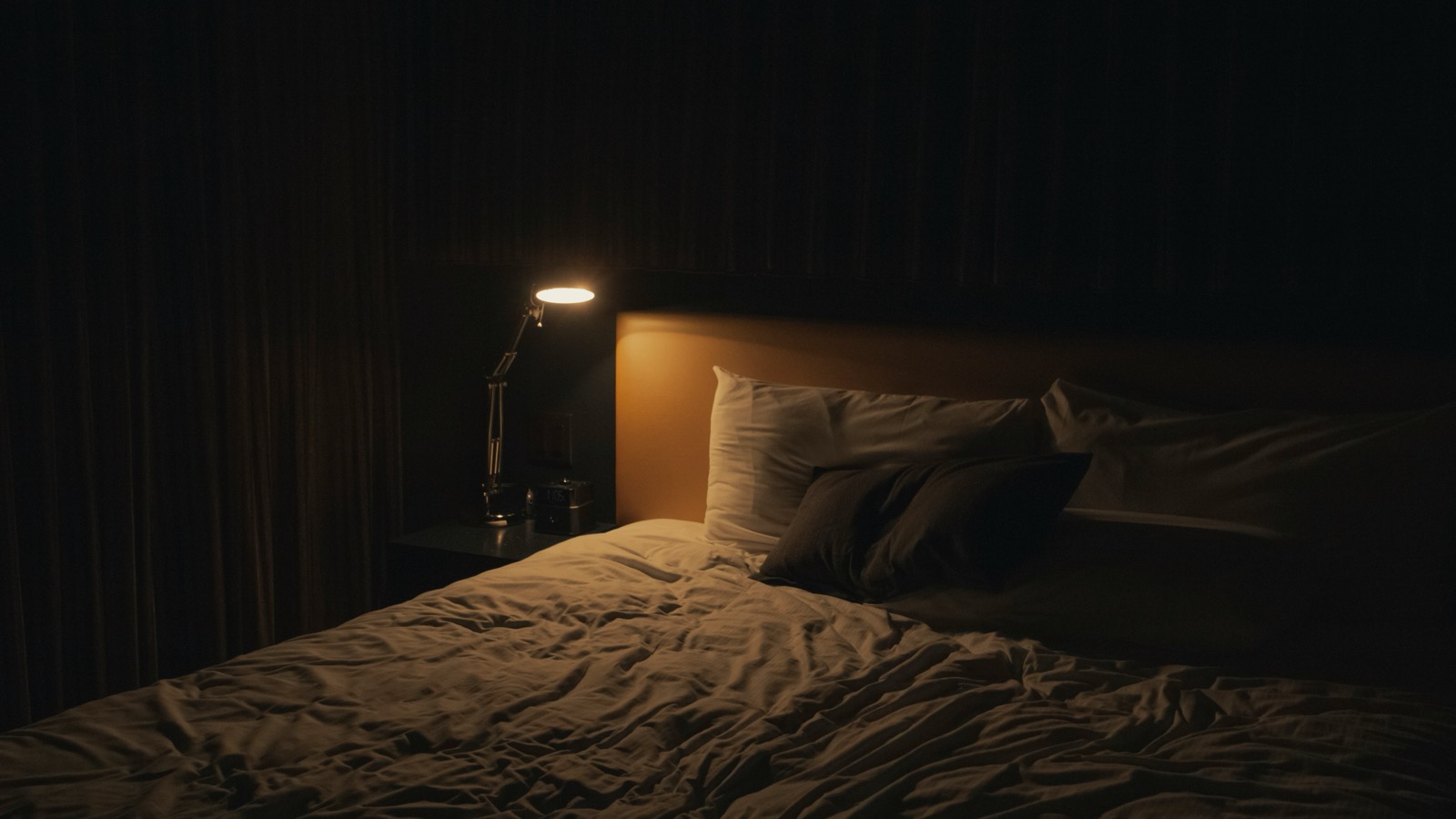
It is 11:40 PM. You are genuinely tired. Your eyes are heavy, you have an early start tomorrow, and you know exactly what you should do. So you open one more video. Then another. Then you check Instagram. Then suddenly it is 1 AM, you feel annoyed at yourself, and you still do not go to bed for another half hour.
If that sounds familiar, you are not lazy and you are not broken. You are doing something that researchers have a name for: bedtime procrastination. When it feels like you are staying up to take back time that the rest of your day stole from you, it is called revenge bedtime procrastination. And there is a real psychology behind it.
TL;DR: Revenge bedtime procrastination is staying up later than you intend, not because you are not tired, but because the day left you zero time for yourself. It is linked to lower self-control, evening chronotypes, and shorter, worse sleep. The fix is not more willpower at midnight. It is reclaiming small pockets of "me time" during the day, making your evening routine something you want to start, and getting the phone out of the equation. Your wearable data can show you exactly what late nights cost, which is often the motivation you need.
YouTube: Related video
What revenge bedtime procrastination actually is
Psychologists define bedtime procrastination simply: failing to go to bed at the time you intended, when nothing outside your control is stopping you. You are not working late. The baby is asleep. Nothing urgent is happening. You just... do not go.
The original research on this comes from a 2014 study by Kroese and colleagues at Utrecht University. They surveyed 177 adults and found that people who scored higher on bedtime procrastination reported less sleep, more daytime fatigue, and more "experienced insufficient sleep," even after accounting for self-regulation and personality. Importantly, bedtime procrastination predicted poor sleep outcomes better than general procrastination did. Delaying sleep is not just one more symptom of a disorganized life. It is a specific behavior with specific consequences.
The "revenge" version of the phrase became popular around 2020, after journalist Daphne K. Lee translated the Chinese term "baofuxing aoye" (revenge bedtime procrastination) into English. The idea behind the name: people whose days are packed with work, obligations, and other people's demands stay up late as an act of quiet rebellion. Staying up is the only time that feels like theirs. You are not procrastinating on sleep. You are procrastinating on tomorrow.
Why you do it: it is not about sleep
Here is the part that surprises most people. Revenge bedtime procrastination is usually not a sleep problem at first. It is a time autonomy problem that happens to damage your sleep.
A 2022 meta-analysis in Sleep Medicine Reviews pooled the research on bedtime procrastination and found it was moderately associated with lower self-control, an evening chronotype (being a natural night owl), shorter sleep duration, lower sleep quality, and more daytime fatigue. Notice what is on that list. Low self-control and eveningness are not moral failings. They are traits that make the 11 PM battle harder.
Researchers also describe a mechanism called "tomorrow aversion." When the next day is full of things you do not want to face, staying awake delays the moment tomorrow begins. Your brain would rather have a pleasant now than a predictable unpleasant later. That is why the urge to stay up gets stronger when your day was stressful, not weaker.
And there is a feedback loop. A 2026 systematic review and meta-analysis in Frontiers in Psychology found that bedtime procrastination and psychological distress are consistently associated in university students. Stress makes you stay up. Staying up makes you more stressed and less able to cope. Round and round it goes.
What one late night actually costs you
The cost of revenge bedtime procrastination is not just a groggy morning. It shows up in your physiology the next day, and your wearable can see it:
| What you might notice the next day | Why it happens |
|---|---|
| Lower HRV than your usual morning baseline | Less sleep, especially late sleep, shifts your nervous system toward stress mode |
| Higher resting heart rate | Your body needs extra effort to recover on less sleep |
| Lower sleep quality the following night | The sleep debt and the "too tired to wind down" effect compound |
| Worse mood and less patience | Sleep loss hits the prefrontal cortex, which is your emotion regulation center |
| Craving caffeine and sugar | Your body is looking for shortcuts to energy |
The nasty part is that feeling bad the next day makes you more likely to repeat the behavior the following night. You get less done, so the day feels even more like it belonged to other people, so you need the evening "revenge" even more. If you want to see this loop in your own data, check what your morning HRV and resting heart rate look like after a revenge night compared with a normal one. The difference is usually obvious. Sleep debt builds up fast, and it does not cancel itself out with one good night.
How to actually stop (without hating your life)
Most advice on this topic is "just put the phone down and go to sleep," which completely misses the point. You are not staying up because you forgot to be disciplined. You are staying up because the evening is the only time you felt like a person. So the fixes below are not about fighting yourself at midnight. They are about removing the reason the midnight fight exists.
1. Reclaim small pockets of "me time" during the day.
The strongest predictor of revenge bedtime procrastination is feeling like you had no time for yourself earlier. So schedule it, the way you schedule meetings. Ten minutes with a book at lunch. A walk after work without a podcast. A coffee that you drink slowly instead of at your desk. These pockets do not need to be long. They need to exist. When your brain knows it got something of its own during the day, the 11 PM desperation drops noticeably.
2. Move the boring parts of your bedtime routine earlier.
Part of the reason bedtime feels unappealing is what it is attached to: brushing teeth, flossing, washing your face, laying out clothes, doing the dishes. That is a routine you are avoiding, not a bed. Try moving chores to right after dinner, when you still have momentum. Make your actual wind-down short and pleasant: wash your face, change, and get in bed. You are not procrastinating on sleep. You are procrastinating on flossing, which is a much smaller problem.
3. Put a hard boundary between "evening you" and "bedroom you."
The phone is not the enemy. The unlimited feed is. Decide that screens happen in the living room, and the bedroom is for sleep, reading, or quiet. When you take your phone into bed, you are handing the most tired, lowest-self-control version of yourself an infinite slot machine. Even a simple rule like "the phone charges in the kitchen" eliminates most of the battle. You can still scroll on the couch. You just do it with a stop condition: the walk to the bedroom.
4. Set a "stop doing" alarm, not a "go to bed" alarm.
A bedtime alarm at 11 PM rarely works because it asks you to interrupt something engaging. Instead, set an alarm for 45 minutes earlier that means "start the shutdown." Same idea as a sunset, but digital. When it goes off, you finish the episode, close the laptop, and start your wind-down. A fixed shutdown signal works better than willpower because it removes the decision. You do not negotiate with yourself at 11 PM. The decision was made at 10:15 PM, when you were still capable of making it.
5. Write tomorrow down before tonight ends.
Tomorrow aversion thrives on vague dread. A two-minute "tomorrow list" before you wind down pulls the sting out of it: write the three things you must do, when you will do them, and what you will do first. Research on unfinished tasks (the Zeigarnik effect) shows that simply planning a task is often enough to stop it from nagging you. When tomorrow is on paper instead of looming in your head, staying up to delay it makes less sense.
6. Watch your own data for two weeks.
This one is surprisingly effective. Commit to a consistent bedtime for two weeks, then compare how you feel and what your numbers say: morning HRV, resting heart rate, sleep duration, and how your workouts or focus went. Most people already know late nights are bad. What they do not know is how bad their own late nights are, because the cost is paid gradually. Seeing a pattern in your own body is far more convincing than any article telling you to sleep more. If your sleep timing varies wildly, consistency might be the single highest-leverage change you can make, more than duration itself. Irregular bedtimes create a kind of mini jet lag, and sleep consistency looks like a stronger health signal than total hours.
When it is more than a bad habit
Bedtime procrastination is incredibly common, and on its own it is a habit problem, not a disorder. But it is worth knowing the difference between "I will not go to bed" and "I cannot sleep." People with insomnia want to sleep and struggle to. People with bedtime procrastination can sleep, usually easily, once they finally decide to. If you fall asleep within minutes of hitting the pillow most nights, your issue is the decision, not your sleep system, and the strategies above target exactly that.
There are also situations where staying up late is a symptom worth taking seriously rather than a habit to optimize. If the evening is the only time you feel like yourself because the rest of the day feels empty or overwhelming, if you are avoiding bedtime because you dread tomorrow, or if you have lost interest in things you used to enjoy, that pattern is closer to the territory of depression or burnout than procrastination. The same goes for people with ADHD, whose racing evening minds make the quiet bed an unpleasant place to land. None of that means you are broken. It means the fix is probably bigger than a phone rule, and talking to a professional is the smartest step. Revenge bedtime procrastination is often a messenger. Sometimes the message is "you need more downtime," and sometimes it is "you need more support." Both are worth listening to.
One honest caveat: sleep is not the only thing being stolen
Here is the uncomfortable truth underneath all of this. Revenge bedtime procrastination is a symptom of a life with not enough slack. If you fix the sleep but keep the overstuffed days, the urge will keep showing up somewhere else. The people who beat this pattern long-term do not just get better at going to bed. They get better at protecting time during the day. That is the actual revenge: taking your time back from the hours that are supposed to be yours, instead of borrowing it from the night and paying with interest.
This is also why shame is such a useless tool here. Beating yourself up at 1 AM does not improve your self-control. It just adds stress, which makes sleep worse. Treat a revenge night the way you would treat a bad workout: note it, look at why it happened, and adjust one small thing tomorrow.
Quick summary
- Revenge bedtime procrastination is staying up later than intended to reclaim personal time, not laziness or a sleep disorder.
- It is linked to lower self-control, evening chronotypes, and psychological distress, and it predicts shorter, lower-quality sleep.
- One late night lowers next-day HRV and raises resting heart rate, which makes the next evening harder.
- The fix is daytime "me time," an appealing wind-down, a phone-free bedroom, a shutdown alarm, and writing tomorrow down.
- Watch two weeks of your own data to see what late nights actually cost you.
Century AI helps you understand your body with a daily health score, recovery score, and sleep insights — using the watch you already wear.